
BRRRR…WHY IS THE GULF OF MAINE SO COLD?
To answer this question, we need to move back in time to the last glacial period, as the movement of glacial ice carved out unique bottom features and deposited different kinds of materials along the ocean floor. This formed the foundation of this shallow sea and the manner different kinds of water would flow along its submarine basins, banks, plateaus, mountains, ridges, and canyons.
When the last large ice sheet freed the Gulf of Maine about 15,000-17,000 years ago, the waters that would be part of the Gulf of Maine extended far into the mainland, flooding low-lying areas and covering areas over 400 feet in elevation. About the first few thousand years after the ice sheet retreated, the first people that lived along the coast, the ancestors of the Wabanaki, most likely experienced a more sub-Arctic climate. Over millennia, the climate modernly warmed and became drier.
The water of the Gulf of Maine, over 12,000 years ago, the was shallower and warmer (mainly in the summer) closer to the coast, bringing in species such as swordfish. This was also because the coast was much farther offshore. Though the coastal bedrock rebounded after being freed from the weight of the ice sheet, it began to sink-causing a slow rise in sea level. Places where ancient indigenous people once fished and foraged were flooded and are presently hundreds of feet underwater. This also impacted the different coastal ecosystems.
The tides and ocean temperatures also changed, becoming stronger and colder.
Over the last few thousand years, a major cold water current started flow along Nova Scotia. This known as the Labrador current. This caused stronger tides and upwelling mixing of cold bottom water. A system of coastal surface currents flowing counterclockwise circulation moved cold water throughout the Gulf of Maine- as it still does today. The spring influx of water from rivers and streams would eventually become part of generating the circulation flow.
The warmer summer waters that lasted 4,000 years were replaced by colder water. This made way for cold water species such as lobster, cod, seabirds, and marine mammals. But what this also meant was more fog and cooler, wetter summers along the coast.
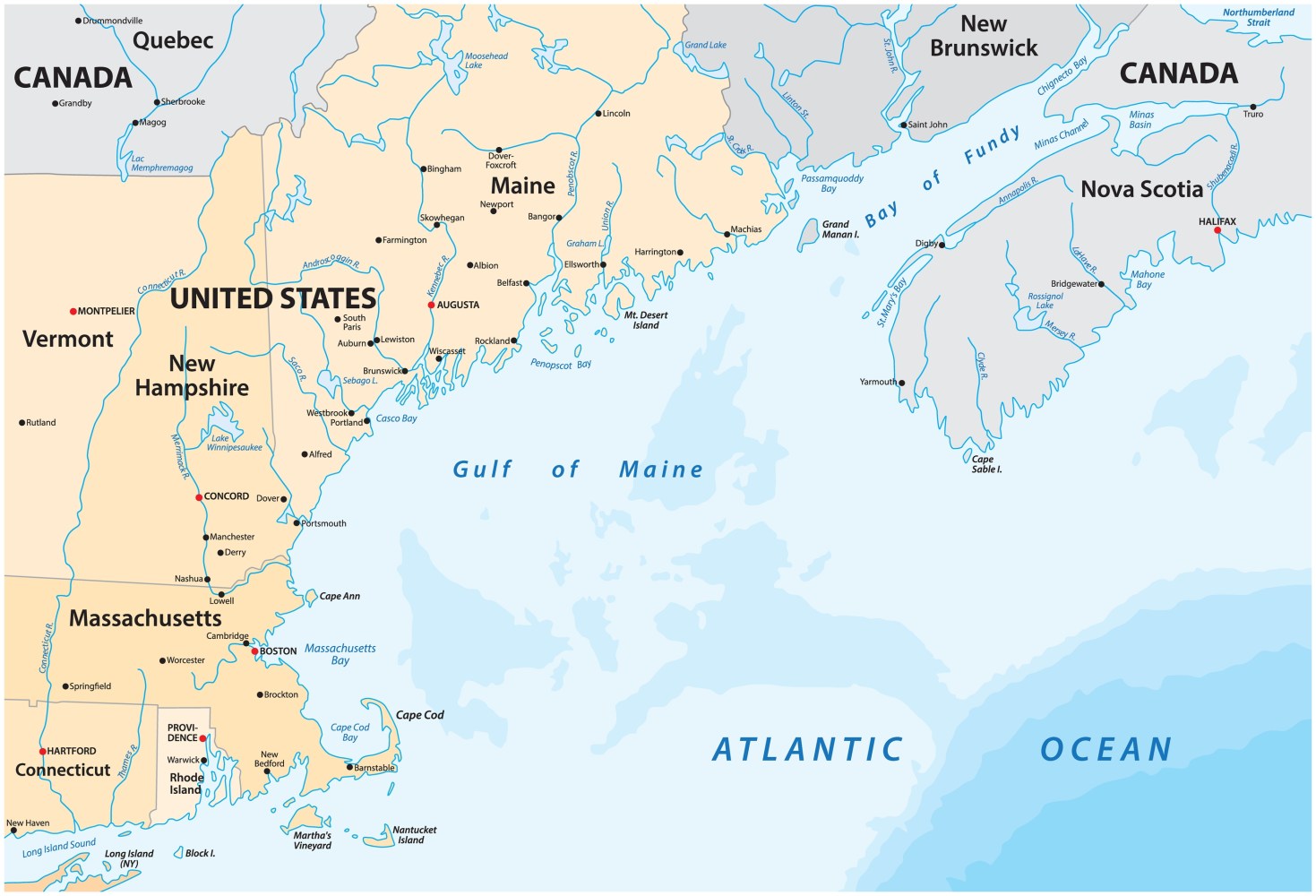
The Gulf of Maine ©Rainer Lesniewski
Formation of the Northeast Channel and Great South Channel over glacial periods historically and currently influence the types of water that the Gulf of Maine has access to. These physical features, in combination with weather phenomena, the North Atlantic and Atlantic Multi-Decadal Oscillation (similar concept to La Nina and El Nino) allow access to Labrador water (cold and fresh) or Gulf Stream water (warm and salty). So, in some years the water temperatures can be colder or warmer, depending on what major current is dominating entering the Gulf of Maine. However, when comparing ocean temperature to historic records, the bigger trend is that the Gulf of Maine is warming.
Overall on average, the surface temperatures in the middle of summer are about 55 degrees Fahrenheit 913 degrees C). There are years and seasons that can be warmer or colder than the average. Places we go offshore can also vary in temperature. Generally, the colder ocean temperatures make the air temperature colder than what you experience on land, even on hottest day.
Therefore…..
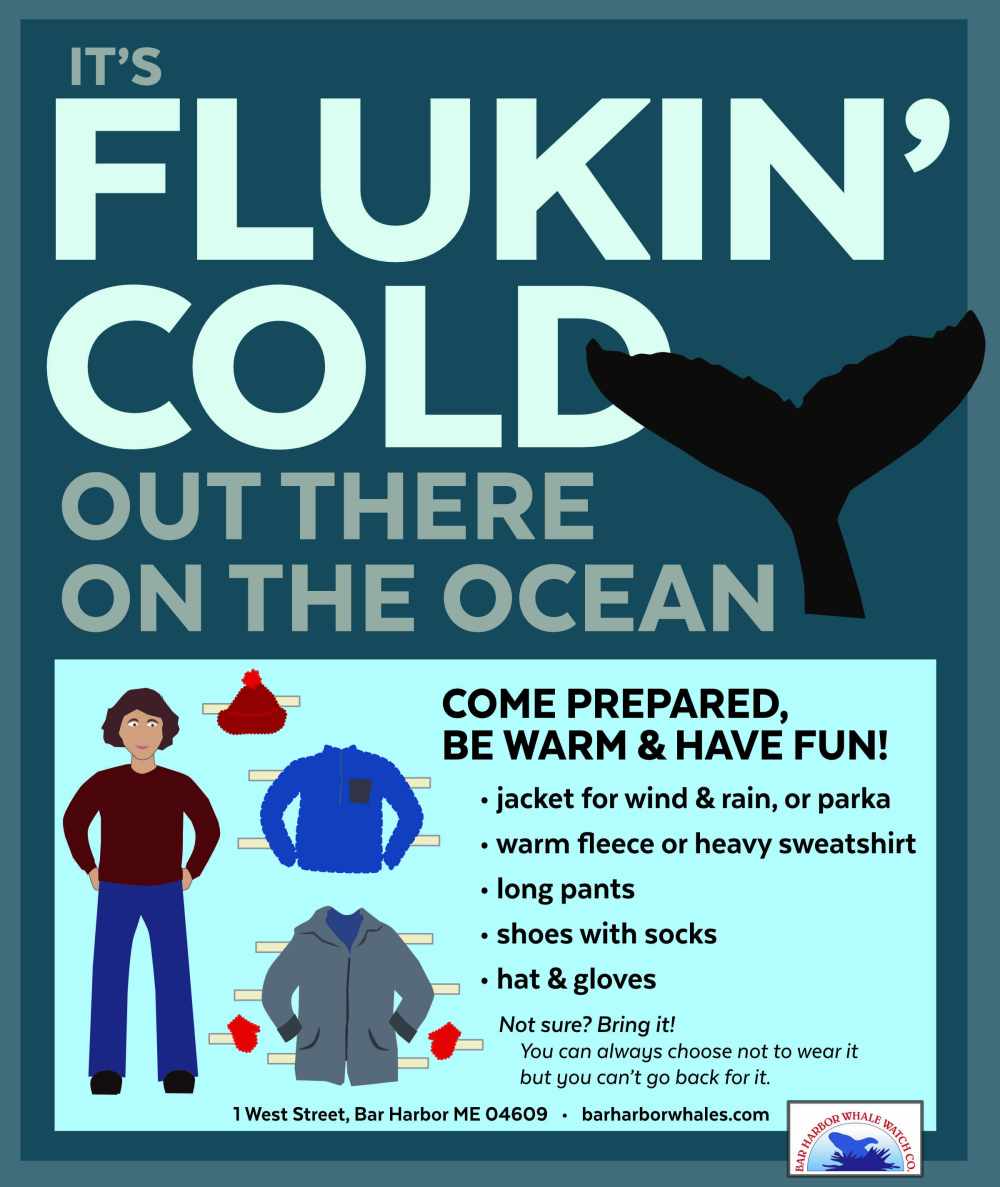
But don’t curse the cold! It is the reason why we have whales and a great deal of diversity of other wildlife in the Gulf of Maine. The cold water provides the conditions needed for phytoplankton to bloom. Vital elements such as oxygen, nitrogen, phosphorus, and carbon in the colder water, in addition to the required energy from the sun, result in plankton blooms. The phytoplankton feed small prey items on the whale menu- copepods, krill, and/or fish. The flow of the Labrador current, though it makes the water colder, is an important part of the circulation system that powers the productivity!
As warm-blooded animals’, whales, seals, seabirds, and even some fish like tuna have special adaptions to keep them warm. For most it is a good layer fat and/or unique counter current blood vessel system that keep them warmer than their cold-water surroundings.
So, grab those layers before you join us on an offshore adventure! You won’t regret it!
Check out the latest ocean conditions on NERACOOS Eastern Maine Shelf bouy (I-Buoy) or the NOAA Jonesport Buoy! 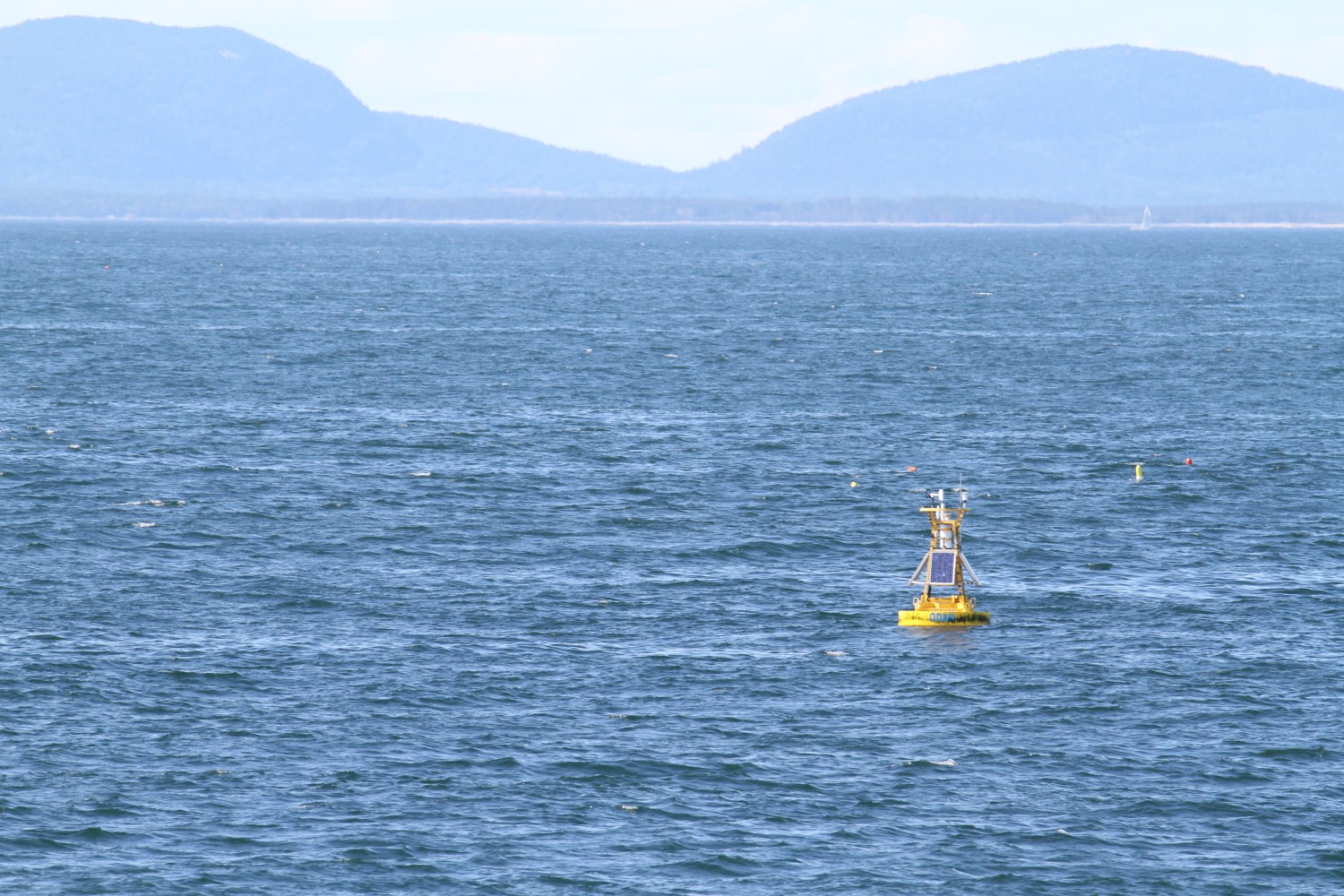
Sources: